

Discover authentic flavors, must-try dishes, and where to taste them in Kuwait
Kuwaiti cuisine is a delicious reflection of the country’s history, culture, and geographical location. Nestled at the heart of the Arabian Gulf, Kuwait’s food blends Middle Eastern, Persian, Indian, and Mediterranean influences, creating hearty dishes rich with spices, rice, meat, and seafood. For visitors, exploring Kuwaiti cuisine is more than just eating—it’s an authentic cultural journey.
In this guide, we’ll walk you through the must-try traditional dishes of Kuwait, offer insights into their cultural significance, and highlight the best places to enjoy these flavors.
Machboos – The National Dish of Kuwait
Machboos is to Kuwait what biryani is to India—it’s the star of the table. This fragrant rice dish is cooked with saffron, dried limes (loomi), and a choice of chicken, lamb, or fish. Served with a tangy tomato sauce known as daqoos, Machboos is deeply comforting and usually reserved for family gatherings, celebrations, and special occasions.
Where to try it:
-
Freej Swaileh Restaurant – A favorite spot for locals, serving authentic Machboos.
-
Shati Alwatia – Known for its traditional Kuwaiti dining experience.
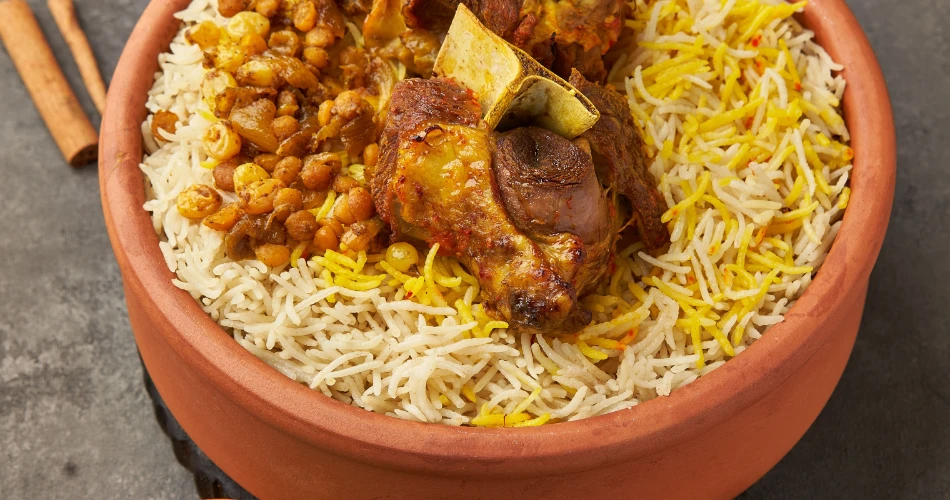
Mutabbaq Samak – A Seafood Delight
Kuwait’s location by the Arabian Gulf means seafood plays a central role in its cuisine. Mutabbaq Samak is a fish and rice dish, seasoned with loomi and spices, often made with Zubaidi fish (the national fish of Kuwait). It’s savory, wholesome, and a must-try for seafood lovers.
Where to try it:
-
Al Marsa Restaurant – Famous for its fresh seafood prepared Kuwaiti-style.
-
Shahrayar Restaurant – Offers delicious traditional fish dishes in a cultural setting.
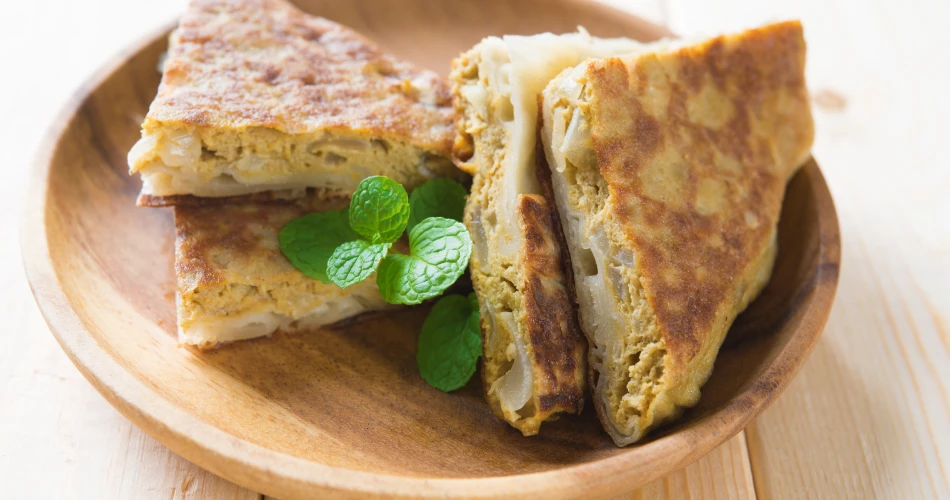
Harees – A Ramadan Special
Harees is a porridge-like dish made with wheat and slow-cooked meat, often chicken or lamb. It’s especially popular during Ramadan, as it is filling, nutritious, and easy on the stomach after long hours of fasting.
Where to try it:
-
Diwan Al Muhanna – Known for authentic Harees, especially during Ramadan.
-
Local Ramadan tents – Many serve Harees as part of iftar buffets.
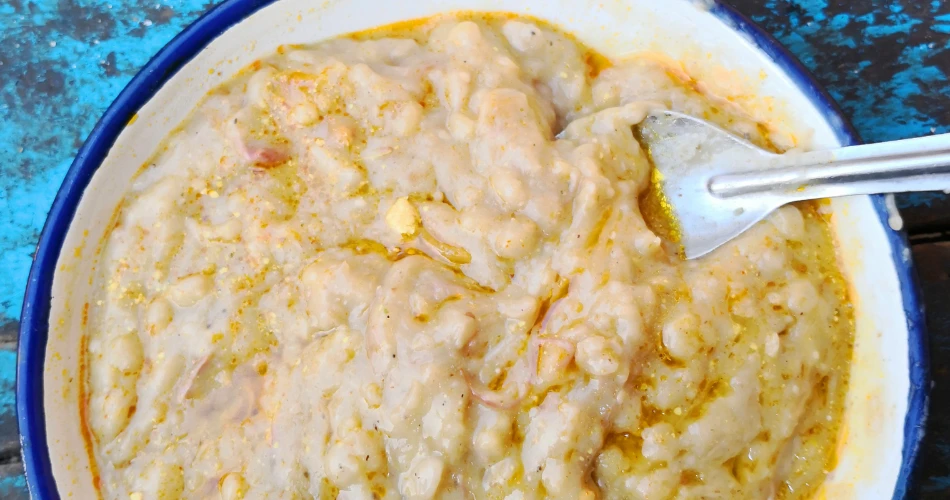
Jireesh – Comfort Food of Kuwait
Another wheat-based dish, Jireesh is cooked with crushed wheat, meat, tomatoes, and spices, creating a stew-like comfort food. Its slow cooking process ensures a rich flavor and creamy texture.
Where to try it:
-
Mais Alghanim Restaurant – Serves Jireesh with a traditional touch.
-
Layali Al-Kuwait – Known for authentic, homemade-style flavors.
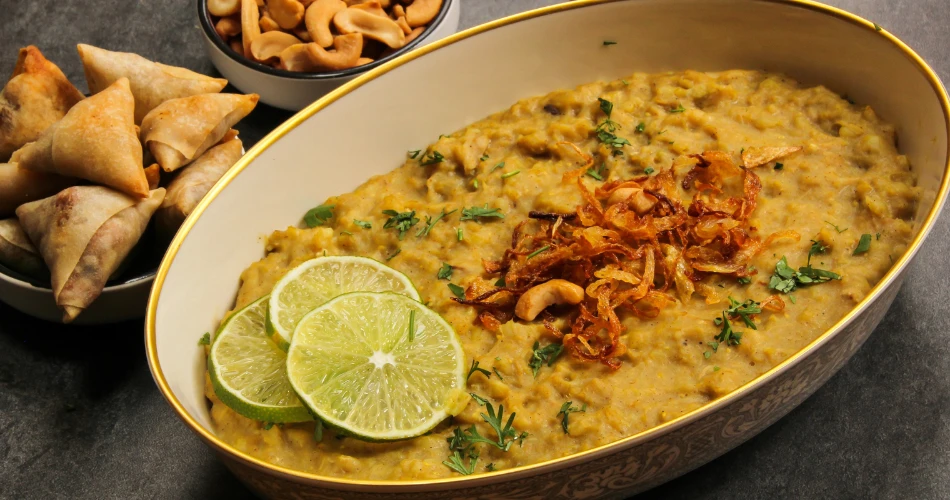
Balaleet – Sweet and Savory Breakfast
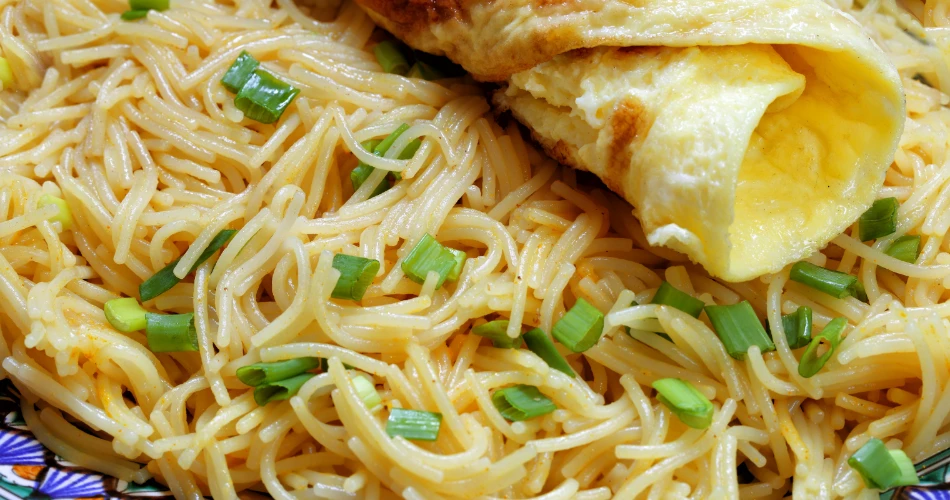
Balaleet is a unique Kuwaiti breakfast dish that combines sweetened vermicelli noodles with saffron and cardamom, topped with a thin omelet. The combination of sweet and savory might surprise first-timers, but it’s a local favorite.
Where to try it:
-
Freej Swaileh Restaurant – Popular spot to taste authentic Balaleet.
-
Traditional Kuwaiti households – Often served on Eid mornings.
Luqaimat – The Sweet Treat
No Kuwaiti meal is complete without dessert, and Luqaimat are among the most beloved sweets. These deep-fried dumplings are drizzled with date syrup or honey and sprinkled with sesame seeds. Light, crispy, and sweet—they’re a festival favorite.
Where to try it:
-
Al Boom Restaurant – Famous for its rich, traditional desserts.
-
Street vendors during Ramadan – Offering freshly made Luqaimat.

Simple Activities to Enjoy Alongside Kuwaiti Cuisine
Exploring Kuwaiti cuisine is best enjoyed while experiencing the culture and places where food and tradition meet. Here are simple activities you can do while enjoying these flavors:
-
Food Walks in Souq Al-Mubarakiya – One of the oldest markets in Kuwait, where you can try local dishes like Machboos, Harees, and Luqaimat while exploring traditional shops.
-
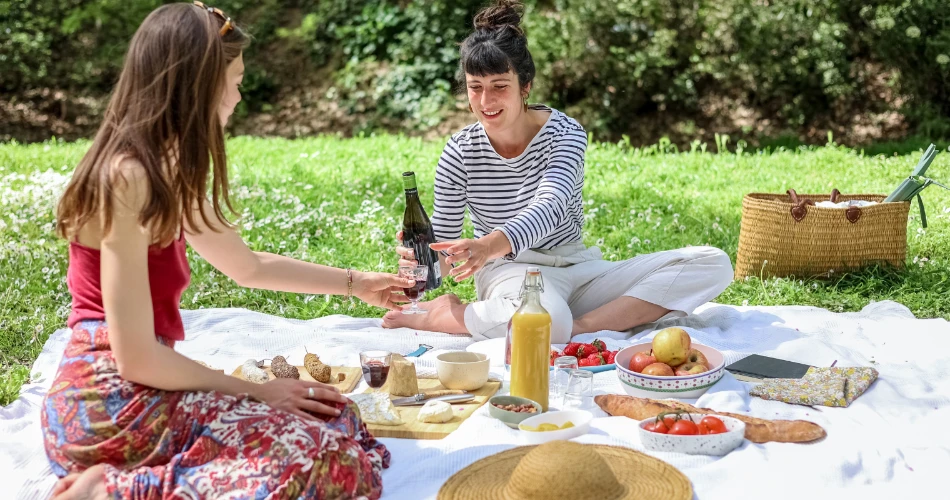
Picnics at Kuwait Towers – Bring along local takeaway meals like Balaleet or Jireesh and enjoy them with stunning views of the Arabian Gulf.
-
Cultural Dining at Sadu House – Experience traditional dishes in a cultural setting while learning about Kuwaiti weaving heritage.
-
Evening Tea at Marina Crescent – Many cafes serve Kuwaiti-style tea with saffron and cardamom, along with light snacks.
Conclusion
Kuwaiti cuisine is more than just food—it’s a celebration of heritage, family, and community. From the fragrant Machboos to the comforting Jireesh and sweet Luqaimat, every dish tells a story of tradition and cultural pride. Whether you’re exploring markets like Souq Al-Mubarakiya, dining in family restaurants, or tasting festival foods, Kuwaiti cuisine offers a journey that is as flavorful as it is memorable.
So, the next time you find yourself in Kuwait, make sure to try these traditional dishes and immerse yourself in the culinary heart of the country.